Morocco's Golden Road from Marrakech: Kasbahs, Aït Ben Haddou & Sahara Camps
There is a stretch of Morocco that feels less like a highway and more like a slow unveiling: terraced valleys, ksour of red earth, and silence that gathers as you move toward the dunes. For travellers who want depth as well as comfort, the road from Marrakech toward the Sahara—passing Aït Ben Haddou and the oases beyond—remains one of North Africa’s most cinematic journeys. This article is your luxury Morocco travel companion: how to honour the culture, what to expect from luxury desert camps, and how to plan a private circuit that feels personal, not packaged.
Why this route still defines “luxury” in Morocco
Luxury here is not only thread-count—it is time. It is the ability to pause at a village bread oven, to accept mint tea without watching the clock, and to cross the High Atlas without treating the drive as an inconvenience. Moroccan hospitality (l’hospitalité) is woven into how families welcome guests: generosity of attention, pride in craft, and a gentle insistence that you eat well. A thoughtful private itinerary mirrors that rhythm—fewer hand-offs, one trusted driver-guardian, and guides who translate not just language but context.
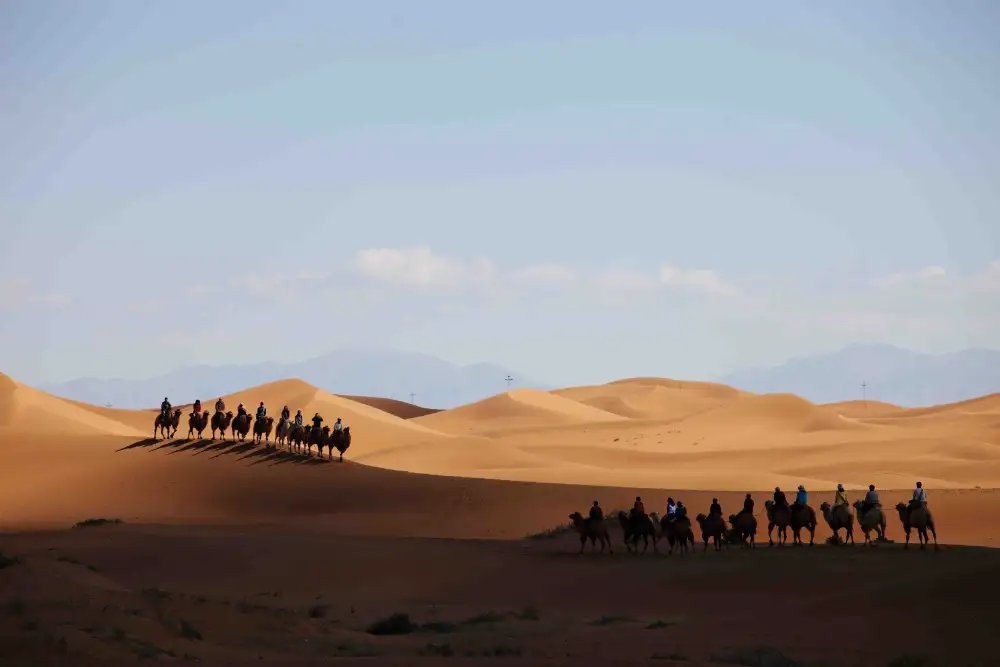
When you continue south, the landscape tells its own story: almond blossoms in spring, ochre cliffs, then the palmeraie corridors that foreshadow the erg. Travellers who choose a private Sahara desert tour from Marrakech often describe the moment the dunes appear as the emotional peak of their trip—yet the kindness of the days leading there is what makes it feel rooted rather than staged.
The souks of Marrakech and the stone desert near Agafay satisfy many first-time visitors—but the full emotional arc of Morocco often reveals itself only after you have crossed the Tizi n’Tichka, tasted almonds from a roadside stand, and heard the call to prayer soften against ancient pisé walls. That is the journey luxury travellers tend to remember: not opulence in isolation, but excellent service framing something timeless and real.
Aït Ben Haddou & the legacy of the caravan road
The ksar of Aït Ben Haddou is a UNESCO-listed ensemble of earthen architecture—a film-set favourite, yes, but first a living symbol of trans-Saharan trade. Walking its lanes, you see how families adapted to wind, sun, and scarcity; your guide can point out granaries, collective ovens, and the subtle social codes that still shape rural life. Arriving mid-morning avoids harsh light for photography; late afternoon paints the façades amber and rewards patience.
If your schedule allows, pair the ksar with a calm lunch overlooking the valley rather than a rushed tick-box visit—that is the difference between touring and travelling. When you are ready to thread this stop into a longer journey, our team can align timing with your Ouarzazate and kasbah day or a multi-day desert leg so each stage breathes.
Mid-journey: when to commit to the dunes
Halfway through reading, many guests ask: Is the Sahara worth the drive? If you crave scale—sand as far as the eye can see, constellations unpolluted by city glare—the answer is yes, provided you do not compress the route into something gruelling. We invite you to explore our flagship Sahara Desert tour to Merzouga: private vehicle, curated stops, and camp options that match your comfort level. Prefer to talk through dates, mobility, or a special celebration? Contact Azura Tours—we reply with a clear, human plan, not a generic quote.
Luxury desert camps: what changes the experience
Beyond Instagram, a quality camp is judged by sleep, warmth at night, food prepared with care, and staff who anticipate needs before you voice them. Berber-led teams often share songs, astronomy, and stories of the erg—moments that turn a night in the sand into a memory with texture.
Pros & cons at a glance
- Pros: Deeper rest in well-insulated tents; private bathrooms in upscale camps; flexibility on dinner timing and dietary needs; easier access for guests who value discretion and space.
- Pros: Photographers gain softer light at sunrise and sunset without crowding; families appreciate shorter camel segments when young children need breaks.
- Cons: Premium camps cost more than standard bivouacs and book faster in peak weeks.
- Cons: Remote settings mean you should pack medications and layers—desert nights cool sharply even when days are warm.
We often recommend a refined camp night for couples marking an anniversary, and a thoughtfully chosen standard-plus camp for families who want fireside stories and early breakfasts before the heat builds. Either way, the scale of Erg Chebbi near Merzouga delivers a landscape no city can mimic—and a gentle sunrise camel walk, however brief, still feels quietly heroic.
Quick tips for gracious travel
- Dress in layers and carry a scarf for sun and wind; modest clothing in villages signals respect.
- Carry small dirham for artisan stalls and tips; card use is limited outside cities.
- Hydrate steadily and savour meals—Moroccan cuisine is generous; pacing helps energy on long driving days.
- Ask before photographing people; many say yes warmly when invited politely.
- Book private transport for the Marrakech–Sahara axis—flexibility transforms fatigue into discovery.
Closing the circle: from inspiration to itinerary
Whether you come for the kasbahs, the silence of the dunes, or the slow theatre of tea poured from height, Morocco rewards curiosity. A well-designed luxury route does not rush the High Atlas, does not treat Aït Ben Haddou as a five-minute photo stop, and does not leave you guessing at camp quality. It sequences light, rest, and story so that each chapter feels inevitable.
When you are ready to turn this guide into dates on a calendar, start with our Sahara Desert tour page for route structure and inclusions—then reach out via our contact form so we can tailor nights, camps, and cultural touches to your party. At Azura Tours, we believe the golden road is best walked with experts who love Morocco as home—not only as a destination.
Related Tours & Destinations
Frequently Asked Questions
How many days do I need for Marrakech to the Sahara with Aït Ben Haddou?
Most refined circuits allow at least three days: one night en route (often near Ouarzazate or the Draa Valley) and one night in a desert camp. That pace respects the drive and gives you time at kasbahs without rushing.
What makes a desert camp “luxury” in Morocco?
Luxury camps typically offer larger tents, proper beds and bedding, private or en-suite wash facilities, curated meals, and attentive staff—while still keeping you in the dunes. Standard camps are simpler but equally authentic.
Can Azura Tours customise stops at Aït Ben Haddou and film locations?
Yes. Private tours from Marrakech can include timed visits to Aït Ben Haddou, Ouarzazate studios, and scenic viewpoints. Tell us your interests and we will shape the day around photography, culture, or family pacing.
Related Tours
Explore these popular Morocco excursions from Marrakech. Private transport, expert guides, and flexible itineraries.
Book Your Morocco Tour Today
Private tours from Marrakech to the Sahara, Essaouira, Ouzoud, and the Atlas Mountains. Expert guides, luxury transport, and 100% flexible itineraries.
Secure your dates now—our most popular desert and day trips fill up fast. Get a custom quote or choose a tour and book in minutes.
Questions about routes, camps, or dates? Message us on WhatsApp—we'll reply with practical advice for your trip.
Ask us about this itinerary on WhatsApp