Casablanca & Rabat Imperial Cities
Casablanca & Rabat Imperial Cities: Exploring the Modern and Royal Face of Morocco (2026)
Introduction: The Tale of Two Cities
While the winding medinas of Fes and the red ramparts of Marrakech often steal the spotlight, the Atlantic corridor of Casablanca and Rabat offers a completely different dimension of the Moroccan identity. This is where the country's ancient heritage meets its 21st-century ambition.
Casablanca, the legendary "White City," is the economic engine of the Maghreb, a sprawling metropolis defined by Art Deco elegance and the roar of the Atlantic. Just an hour north lies Rabat, the "Garden City" and the nation's political capital. As one of the four historic Imperial Cities of Morocco, Rabat is a masterclass in refined royal architecture and peaceful coastal living. In this 2026 guide, we explore why this duo is the perfect starting point for any Morocco exploration.
Casablanca: The Art Deco Metropolis
Casablanca is often misunderstood by travelers who only see its busy airport. However, a Casablanca architecture tour reveals a city that was the playground for French architects in the 1920s and 30s, resulting in a unique "Mauresque" style—a blend of traditional Moroccan horseshoe arches and sleek Parisian Art Deco lines.
1. The Hassan II Mosque: A Marvel of Engineering
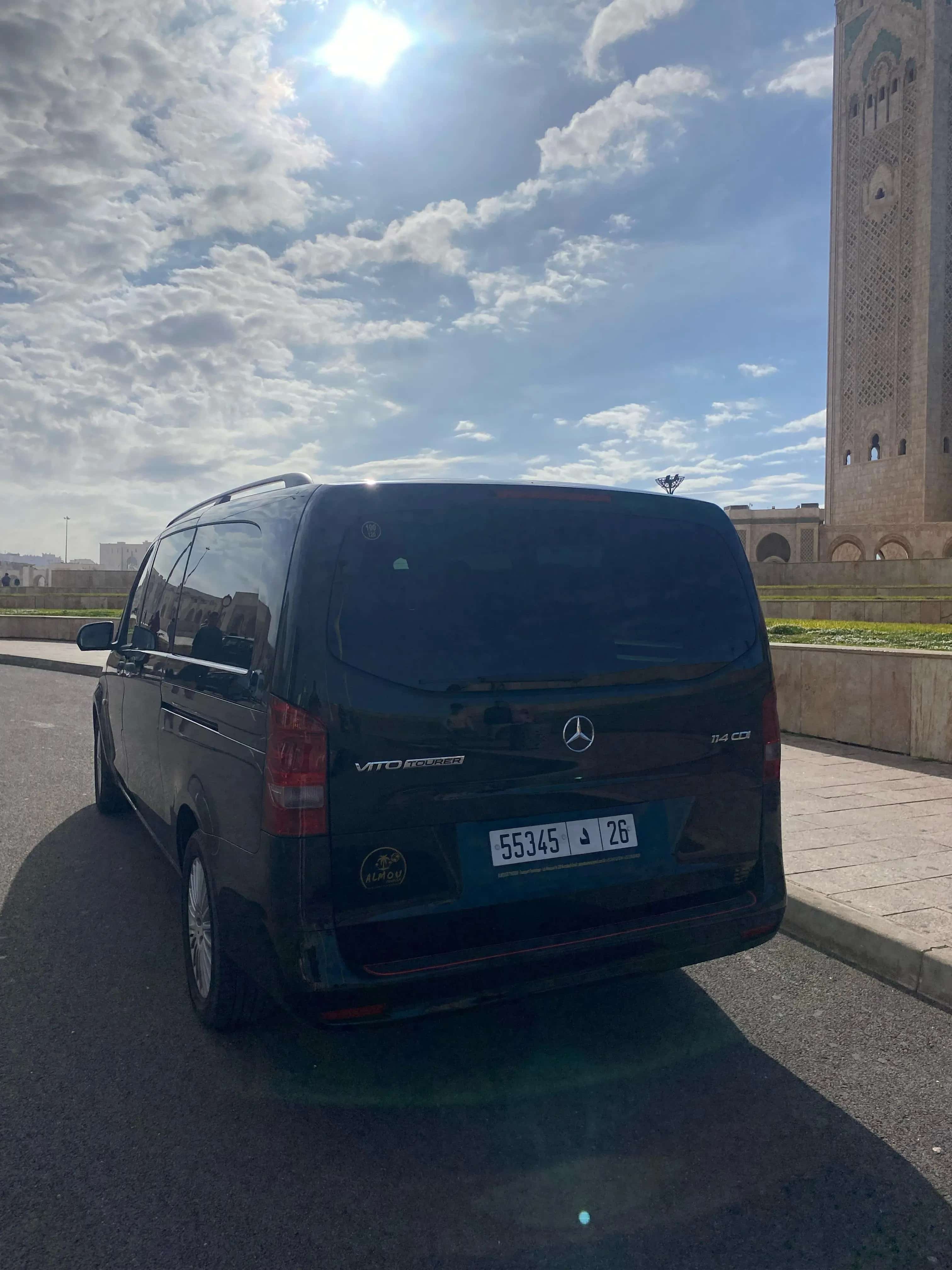
The undisputed crown jewel of the city is the Hassan II Mosque. Completed in 1993, it is one of the largest mosques in the world and a rare example of a religious site open to non-Muslim visitors through guided tours.
The Scale: Its minaret soars 210 meters into the sky, equipped with a laser that points toward Mecca.
The Craftsmanship: Built partially over the ocean, the mosque features a retractable roof, heated floors, and the work of over 10,000 master artisans. The intricate zellige tilework and carved cedar wood represent the absolute pinnacle of Moroccan craft.
Pro-Tip: Visit during the "Golden Hour" just before sunset. The white marble of the courtyard glows against the crashing waves of the Atlantic.
2. Habous Quarter (The New Medina)
Built by the French in the 1920s to solve housing shortages, the Habous district is a "cleaner," more organized version of a traditional medina.
Why Visit: It is the best place in Casablanca to buy high-quality leather goods and traditional clothing without the intense pressure found in other cities. Don't miss the Bennis Habous pastry shop, famous for its "Cornes de Gazelle" (almond cookies).
3. The Corniche & Ain Diab
For a taste of modern Moroccan lifestyle, head to The Corniche. This beachfront boulevard is lined with high-end beach clubs, cinemas, and restaurants. It is the perfect place for a seaside stroll to feel the Atlantic breeze and see how the local "Casawi" youth spend their weekends.
Rabat: The Regal and Refined Capital
Rabat was named a UNESCO World Heritage site in 2012 for its "shared heritage" between its Arab-Muslim past and Western modernism. It is noticeably calmer, greener, and more organized than Casablanca, making it a favorite for travelers seeking a slower pace.
1. The Udayas Kasbah (Oudayas)
This 12th-century fortress is a city within a city. Entering through the massive Almohad gate, you find yourself in a world of narrow white-and-blue painted streets that feel more like a Mediterranean village than a capital city.
The Andalusian Gardens: Located at the base of the Kasbah, these gardens offer a fragrant escape filled with orange trees and blooming bougainvillea.
Café Maure: Sit here for a traditional mint tea while looking out over the Bou Regreg river toward the city of Salé.
2. The Hassan Tower & Mohammed V Mausoleum
Standing as an iconic silhouette on the Rabat skyline, the Hassan Tower was intended to be the minaret for the largest mosque in the world in the 12th century. Though the project was never finished, the 44-meter tower and the forest of 200 stone columns remain.
The Mausoleum: Directly opposite the tower lies the final resting place of the current King's grandfather and father. It is a stunning example of modern Alaouite architecture, guarded by Royal Horse Guards in full ceremonial dress.
3. Chellah Necropolis
A short drive from the center takes you to Chellah, a site where layers of history are literally stacked on top of each other. It began as a Phoenician settlement, became the Roman city of Sala Colonia, and was later used as a royal burial ground by the Merenid dynasty.
The Wildlife: In 2026, Chellah remains a sanctuary for dozens of storks that build massive nests atop the ancient Roman ruins and minarets—a sight that is as surreal as it is beautiful.
Casablanca vs. Rabat: Which Should You Choose?
In a perfect Moroccan itinerary, you visit both.
Choose Casablanca for: High-energy business vibes, world-class dining, Art Deco history, and the sheer scale of the Hassan II Mosque.
Choose Rabat for: Royal history, clean and quiet streets, coastal kasbahs, and a "walkable" city experience.
Logistics: Planning Your Visit in 2026
Transportation
The Train: The best way to travel between the two is the ONCF train. It takes roughly 55 minutes and runs every 30 minutes.
Private Transfer: For travelers heading straight from Casablanca Airport (CMN) to Rabat, a private driver is recommended to avoid the bustle of the downtown train stations.
2026 Infrastructure: The ongoing expansion of the Rabat-Salé Tramway and the new "Grand Theatre of Rabat" (designed by Zaha Hadid) have turned the riverfront into a world-class cultural hub.
Best Time to Visit
The Atlantic coast enjoys a Mediterranean climate.
Spring & Autumn: Perfect for sightseeing (20°C–25°C).
Summer: Unlike Marrakech, Casablanca and Rabat remain relatively cool in the summer (28°C) due to the ocean currents, making them great escapes during the July-August heat.
Cultural Etiquette
Rabat is a government city, and Casablanca is a business hub. While casual dress is fine, a "smart-casual" approach is respected. Remember that the Mohammed V Mausoleum is a sacred site; modest dress (covering shoulders and knees) is required for entry.
Conclusion: The Gateway to the Kingdom
Casablanca and Rabat represent the sophisticated, forward-looking side of Morocco. They bridge the gap between the ancient traditions of the deep south and the modern connectivity of the 21st century. Whether you are marveling at the marble floors of a seaside mosque or wandering the quiet, blue-walled alleys of a royal kasbah, these Imperial Cities provide the essential context for understanding the Morocco of today.
Many travelers continue their journey north to explore the Chefchaouen Blue City or head inland to discover the rich heritage of Fes Cultural & Historical Tours.
What's Included
- ✓Hassan Tower
- ✓Kasbah of the Udayas
- ✓The Royal Palace