Sahara Desert Tours to Merzouga & Erg Chebbi
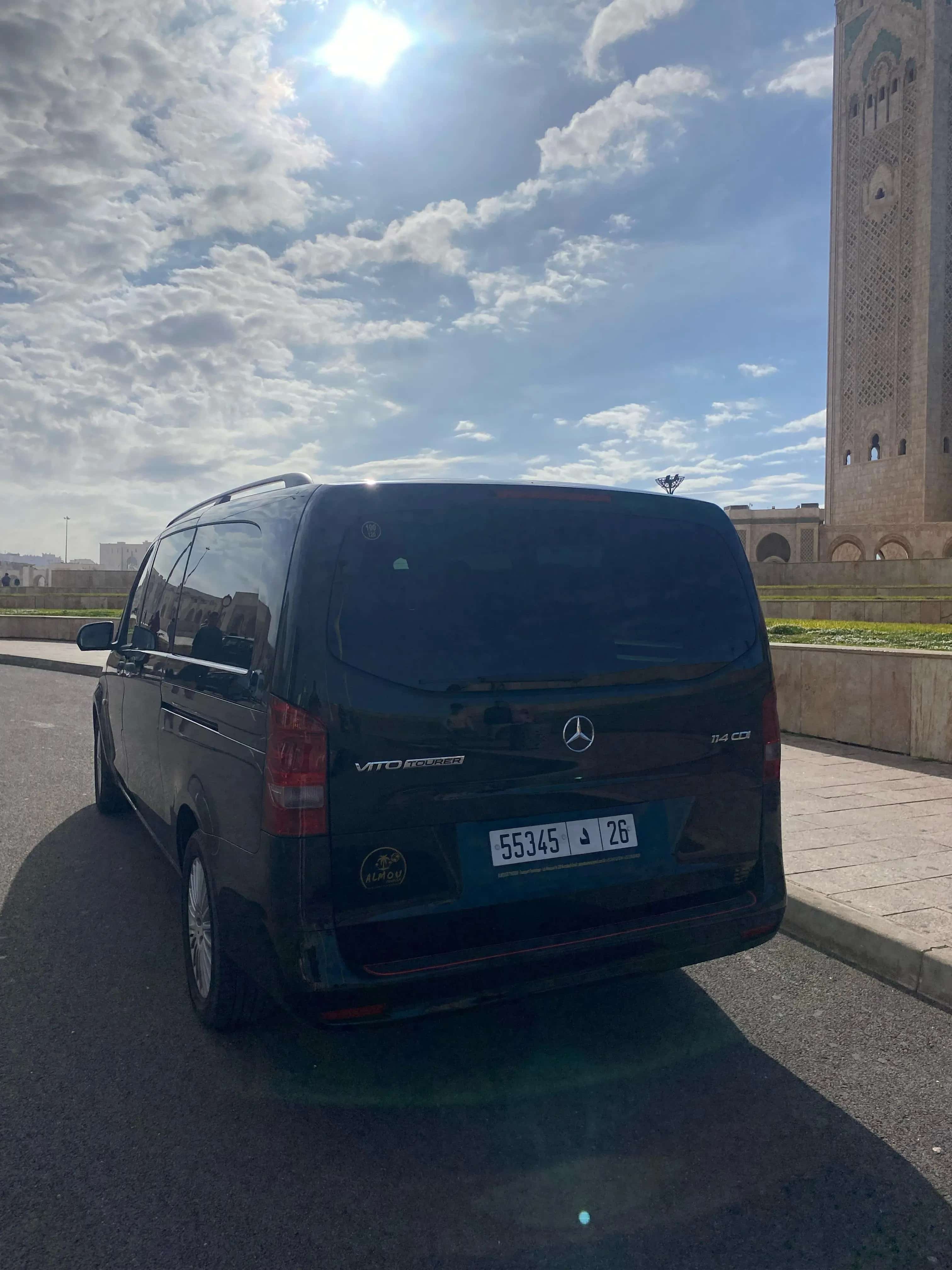
The Ultimate Guide to Sahara Desert Tours: Merzouga and the Erg Chebbi Dunes (2026 Edition)
Introduction: The Call of the Golden Sands
There is a silence in the Sahara that cannot be found anywhere else on Earth. A deep, almost palpable silence that settles over the Erg Chebbi dunes as the sun begins its descent. For many travelers, a desert tour to Merzouga is the centerpiece of their Moroccan odyssey. It is the fulfillment of a childhood dream: crossing sand mountains on camelback, sleeping under a dome of stars, and awakening to the first rays of light hitting the highest peaks of Africa.
In this comprehensive 2026 guide, we explore everything you need to know to plan your expedition, from travel logistics to the difference between a traditional Berber bivouac and a luxury desert camp in Morocco.
The Geography of the Dunes: Erg Chebbi vs Erg Chigaga
When booking your desert circuit, it is crucial to understand your destination. Morocco has two main "Ergs" (dune fields):
Erg Chebbi (Merzouga): These are the most iconic dunes. Reaching heights of 150 meters, they are easily accessible from the village of Merzouga. This is where you will find the most developed infrastructure and the most refined camps.
Erg Chigaga (M'hamid): More wild and remote, this site requires a longer 4x4 journey. It is less frequented but offers often more basic comfort.
For the majority of travelers, Merzouga remains the preferred choice due to the visual splendor of the dunes and the quality of service offered by local agencies.
Planning the Route: How to Get to Merzouga
The journey to the desert is an integral part of the experience. The Sahara cannot be visited in a day; it must be earned.
From Marrakech: The Route of the Kasbahs
A standard 3-day circuit from Marrakech to Merzouga covers approximately 600 km.
Day 1: Cross the Tizi n'Tichka pass in the High Atlas, visit the Ait Benhaddou Kasbah (UNESCO site), and overnight in the Dades Gorge.
Day 2: Explore the Todra Gorge and arrive in Merzouga for sunset in the dunes.
Day 3: Long return journey or continuation to Fes.
From Fes: The Middle Atlas Crossing
This is a more direct route (approximately 7 to 8 hours). You will cross the "Little Switzerland" of Ifrane and the cedar forests of Azrou, where you can spot Barbary macaques, before descending into the Ziz Valley dotted with palm groves.
2026 Logistics Note: The Moroccan government has modernized national roads N13 and N9, making the journey smoother and safer for tourist minibuses and private cars.
The Experience: A Day in the Life of a Nomad
Your adventure generally begins in the late afternoon. As the heat subsides, you meet your camel caravan at the edge of the dunes.
The Camel Trek
The journey to the heart of Erg Chebbi takes approximately 1 to 1.5 hours. At the slow, swaying rhythm of the "ship of the desert," the modern world fades away. Your guide, often a local Sahrawi or Berber, will lead you to a summit to admire the Saharan sunset. The colors shift from bright yellow to deep ochre, then to powdery violet.
The Bivouac: Between Tradition and Modernity
In 2026, luxury bivouac standards have reached new heights.
Traditional Camps: For an authentic experience, with comfortable mattresses on the ground and shared facilities.
Luxury Camps: True nomadic hotels with king-size beds, private bathrooms with hot showers, and solar-powered Wi-Fi.
The Evening: After a traditional dinner (lamb tagine and couscous), the evening continues around a campfire to the sound of Gnawa percussion. The Sahara's night sky, free from any light pollution, offers an unparalleled view of the Milky Way.
What is the Best Time to Visit the Sahara?
Climate is the determining factor for your comfort.
Spring (March to May): The ideal period. Temperatures are mild (20°C to 25°C), although some sandstorms are possible.
Autumn (September to November): Another perfect window with warm days and cool nights.
Winter (December to February): Beautifully sunny days but freezing nights. Temperatures can drop to 0°C. Pack thermal clothing.
Summer (June to August): Avoid if possible. Temperatures often exceed 45°C, making the desert dangerous during the day.
What to Pack for Merzouga?
To fully enjoy your experience, your packing list should include:
A shesh (scarf): Essential for protection from the sun and wind-blown sand.
Layered clothing: The desert cools very quickly after sunset.
Closed shoes: Walking in burning sand is difficult in flip-flops.
An external battery: Although luxury camps have outlets, it is wise to have a reserve for your photos.
Biodegradable sunscreen: To protect the fragile desert ecosystem.
Responsible Tourism in the Desert
In 2026, sustainable tourism is a priority. When booking, ask your agency about its waste and water management. The desert is a vulnerable environment. Prioritize agencies that employ local staff from Merzouga and Rissani, ensuring that your revenue directly benefits Sahrawi communities.
Conclusion: A Journey for the Soul
A Sahara tour is much more than a simple item on a travel list; it is a lesson in perspective. Standing at the top of a dune shaped by the wind for millennia makes daily worries seem insignificant. Whether you are a solo backpacker or a luxury traveler, the Erg Chebbi dunes await to tell you their story.
Many travelers combine their desert adventure with an exploration of the Atlas Mountains, creating a complete circuit that traverses Morocco's most spectacular landscapes.
What's Included
- ✓Private transportation
- ✓Professional drivers
- ✓Camel trekking
- ✓Traditional Gnawa music
- ✓Luxury or standard camp options